When you're on your feet all day, comfort isn't a bonus—it's protection. In the right comfort footwear, long shifts feel steadier and safer.
At Shoes For Crews®, we design footwear for pros who move fast, stand long and work in environments where slipping isn't an option. Whether you're running a kitchen line, covering hospital rounds or managing a warehouse floor, the right shoes make the difference between finishing strong and feeling worn down halfway through your shift.
This guide brings together everything you need to know about work shoe comfort, from key features for standing all day to choosing the most comfortable work boots and shoes for your industry.
Why is comfort considered a safety issue in work footwear?
Fatigue doesn't just make a shift feel longer; it changes how you move...
What features matter most in shoes for standing 8–12 hours?
For a deeper breakdown, read our full guide: Top Features for Standing All Day .
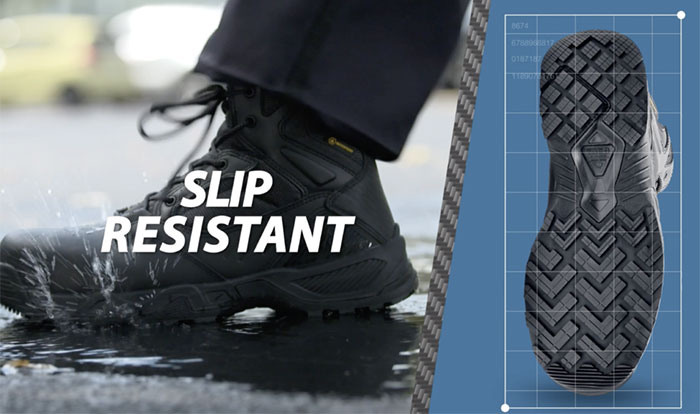
- Slip-Resistant Outsoles: Built to grip wet and greasy floors.
- Responsive Cushioning: Advanced foam midsoles absorb impact.
- Arch Support & Stability: Distributes weight evenly.
- Lightweight Construction: Reduces drag during long shifts.
What are the most comfortable work shoes for long shifts?
For Retail & Grocery Associates
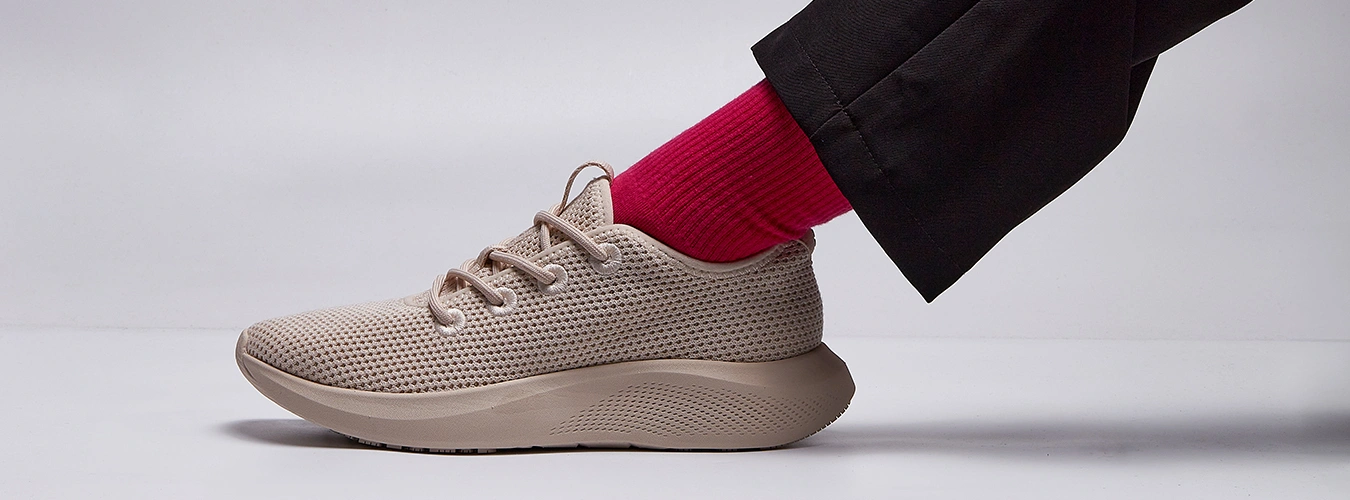
- Lightweight, breathable materials
- Strong slip-resistance
- Cushioning that reduces fatigue
- Professional styles that meet dress codes
For Healthcare Professionals
- Slip-resistant traction
- Easy on/off options
- Liquid-resistant materials
- Support for extended shifts
For Food Service & Restaurant Teams
- Industry-leading slip-resistance
- Easy-clean outsoles
- Durable uppers
- Cushioning for double shifts
What makes a work boot comfortable?
- Shock-absorbing midsoles
- Structured ankle support
- Durable yet flexible materials
- Slip-resistant traction
Comfort & Compliance for Safety Leaders
- Proven slip-resistant performance
- ASTM-compliant options
- Easy reordering
- Warranty-backed protection
How can I choose the right comfort footwear for my job?
- Identify floor conditions.
- Determine shift length.
- Confirm compliance requirements.
- Prioritize slip-resistance.
- Choose cushioning and support that match your workload.
Every shift should end the way it began—safe.