
Industrial Workers Do The Jobs Most People Never See
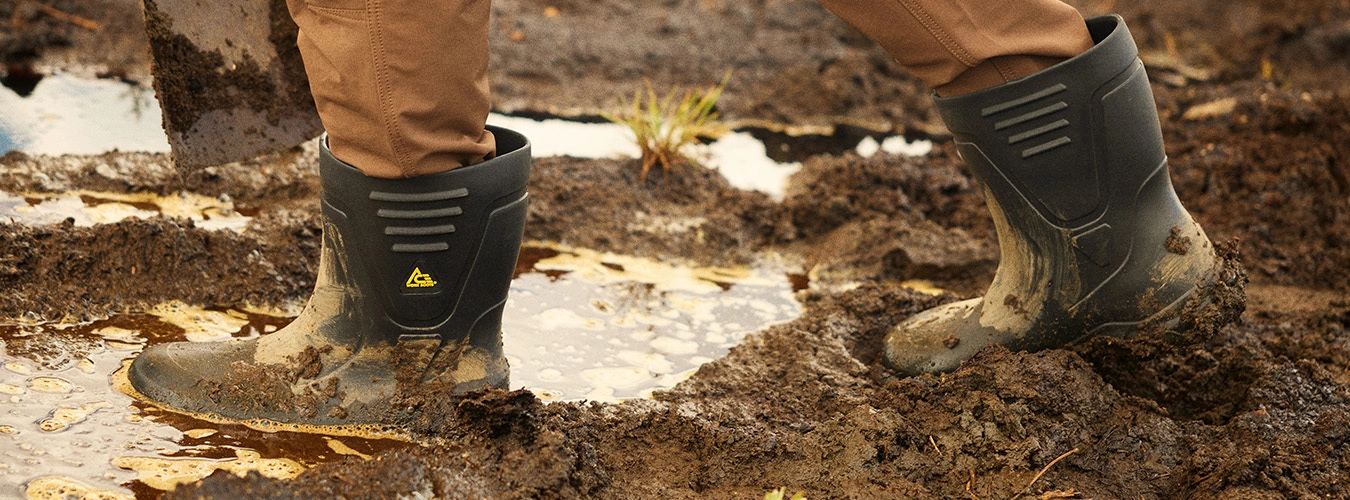
Some of the most important work in the world rarely gets seen. Industrial workers keep infrastructure, facilities, and entire communities running, handling everything from wastewater maintenance to demolition in environments most people never experience. They work early in the morning, late at night, underground, and behind closed doors—yet their impact is felt every day.
This kind of work rarely gets recognition. It simply gets done.
What Do Industrial Workers Do?
Industrial workers span a wide range of roles across manufacturing, sanitation, construction, utilities, and facility maintenance, operating equipment, inspecting machinery, and ensuring workplaces remain safe and functional.
Their work underpins the systems that keep cities running: clean drinking water, waste removal, and materials used across healthcare, transportation, and food production.
In many industries, this work happens around the clock, because if these systems fail, the consequences are immediate—disrupting daily life, affecting public health, and halting essential services.
Why Do Industrial Jobs Often Demand The Most Skill?
From the outside, hands-on industrial work can appear simple or repetitive. In reality, it requires experience, precision, and the ability to make decisions in environments where conditions can change quickly.
A wastewater technician may work in confined spaces while monitoring safety conditions. An industrial sanitation team handles specialized cleaning systems, while demolition crews assess materials and structures before beginning work.
These roles demand training, coordination, and expertise, even when they receive little recognition.
What Does Industrial Work Actually Feel Like?
Industrial work has a rhythm that becomes familiar over time. Workers move between tools, equipment, and work areas, often in environments that are hot, wet, or uneven. The sounds of machinery and tools become part of the job, and shifts can be long. The work requires both physical effort and sustained focus.
It may not be glamorous, but it carries real responsibility.
Why Does Workplace Safety Matter For Essential Workers?
Industrial workers face a range of hazards on the job. Slips, trips, and falls are among the most common causes of workplace injuries, particularly on surfaces affected by water, oil, grease, or debris.
Clear procedures, proper training, and reliable protective equipment help reduce these risks. Choosing the right slip-resistant work shoes and implementing a safety footwear program can support safer working conditions and improve confidence on the job.
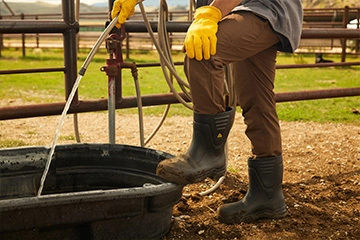 ACE Bullfrog Pro II - Soft Toe
What Happens To Work Gear In Harsh Work Environments?
In demanding environments, gear must perform consistently. Footwear and equipment are exposed to moisture, abrasion, and debris during every shift.
Over time, this affects traction and durability. For industrial workers, dependable work footwear is essential to maintaining safety and performance.
The Work May Be Hidden, But It Matters
Industrial workers span a wide range of roles across manufacturing, sanitation, construction, utilities, and facility maintenance—operating equipment, inspecting machinery, and ensuring workplaces remain safe and functional.
Their work underpins the systems that keep cities running: clean drinking water, waste removal, and materials used across healthcare, transportation, and food production. In many industries, this happens around the clock, because if these systems fail, the consequences are immediate—disrupting daily life, affecting public health, and halting essential services.
FAQs
What Types Of Jobs Do Industrial Workers Perform?
Industrial workers perform roles across manufacturing, sanitation, utilities, maintenance, and construction. Their work includes operating equipment, maintaining infrastructure, cleaning facilities, repairing systems, and supporting production environments.
Why Are Many Industrial Jobs Challenging?
Industrial jobs involve physically demanding tasks, heavy equipment, and exposure to water, grease, dust, chemicals, or debris—conditions common in industries such as wastewater management, industrial cleaning, food production, and facility maintenance that require skill, awareness, and proper safety gear.
How Do Industrial Workers Stay Safe On The Job?
Industrial workers rely on training, protective equipment, and reliable gear. Slip-resistant work shoes are especially important in environments where slips, trips and falls are a risk.
Employees and Your Bottom line.
Don't Forget To Share This Post!
Top 10 Loading Dock Safety Tips
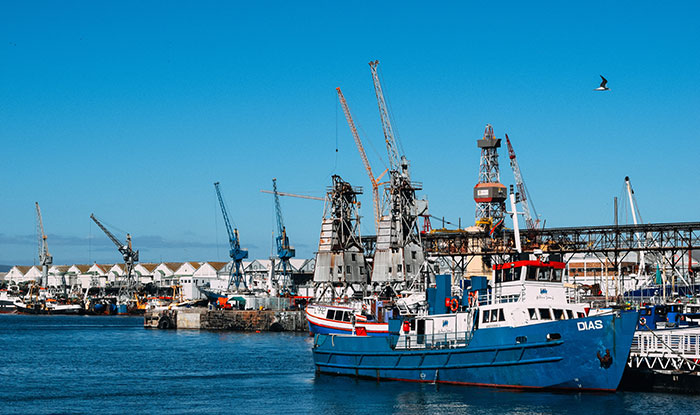
Loading dock areas are notorious for their numerous safety hazards. Sidestep risk to your workers by following these 10 loading dock safety tips.
Keep Safe While Working In a Metal Shop
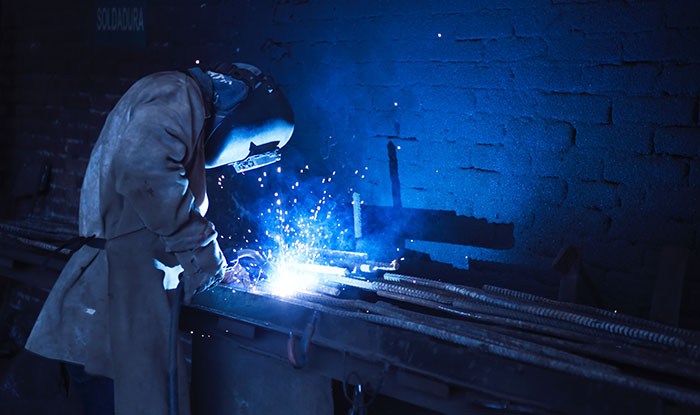
Being aware of the common injuries associated with working in a metal or machine shop is critical. Here are the most common hazards and safety tips.

Think About Safety In The Wood Shop
Whether you're a manager, craftsman or new employee, here are 4 important and unexpected hazards to safety in the wood shop, regardless of size.