
The Best Insulated Work Boots for Winter
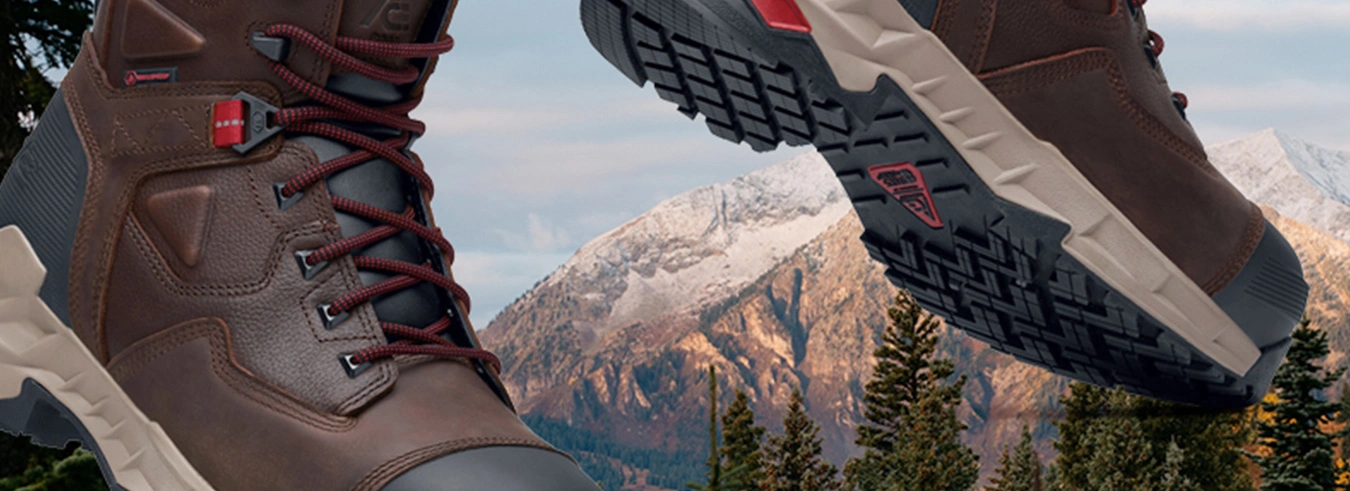
When winter shows up and the job doesn't stop, you need insulated work boots that hold up in the cold. Whether you're hauling gear through snow, working outdoors in freezing temps, or just need a warm, reliable boot that lasts, the right pair makes all the difference.
This guide breaks down what to look for in insulated work boots and recommends five types built to meet real-world demands, from sub-zero exposure to everyday jobsite protection.
What Makes a Work Boot "Insulated"?
Insulated work boots are designed to help your body hold heat. They use internal liners—often synthetic insulation like 200g or 400g 3M™ Thinsulate™—to trap warmth around your feet and block out the cold. In short, work boots with insulation help preserve heat while letting moisture escape so you stay comfortable.
The insulation weight tells you how warm the boot will be. 200g is solid for milder conditions or active jobs. 400g–800g or more is best for extended cold exposure or less movement in freezing weather. These winter work boots rely on materials and construction that balance warmth with breathability.
Not sure how much insulation you need? Here’s a quick breakdown of insulation levels by temperature range and activity level to help you choose the right boot:
| Insulation Level (Grams) | Approximate Temperature Range (°F) | Ideal Use / Activity Level |
|---|---|---|
| 100g – 200g | 20°F to 40°F (above freezing) | Light winter use, high activity (e.g., construction, delivery work) |
| 400g | 10°F to 30°F | Moderate cold conditions, medium activity (e.g., outdoor maintenance, roadwork) |
| 600g | 0°F to 20°F | Colder conditions, moderate activity |
| 800g – 1000g | -10°F to 10°F | Extreme cold, low activity (e.g., security personnel, utility workers) |
| 1200g+ | Below -20°F | Severe/extreme cold, stationary work (e.g., ice fishing, heavy equipment operation) |
Key Features That Matter in Insulated Work Boots
Thermal Insulation
The insulation should match your environment and activity level. Too much, and you'll overheat. Too little, and the cold will find its way in. Choose the level that fits how insulated boots work with your pace and climate and look for a stated insulation rating with breathable materials.
Waterproofing
Wet feet equal cold feet. That's why waterproofing matters just as much as insulation. Features like waterproof uppers help keep water out and warmth in, especially in snow or slushy conditions. For persistent moisture, waterproof insulated work boots are worth prioritizing.
Safety Toes
For industrial or heavy-duty work, safety toe protection is a must. Choose between steel or composite toe caps based on your needs. Composite toes are lighter and don't conduct cold, which can make them more comfortable than steel toes in winter.
Comfort & Fit
Boots that don't fit right can make long shifts unbearable and insulation less effective. Choose a pair that offers cushioned support, ankle stability, and room for warm socks without feeling tight or bulky.
5 Best Insulated Work Boots to Consider
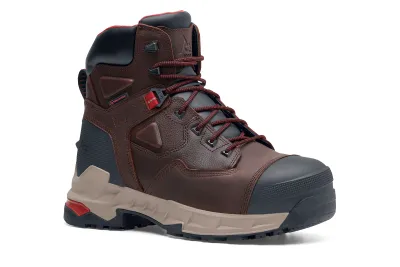
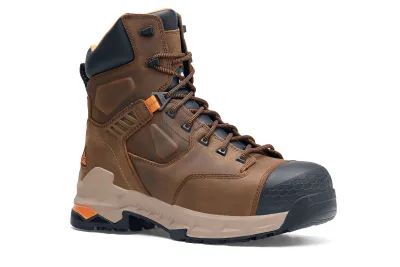
Insulated Waterproof Work Boots: Men’s Redrock 8-Inch Composite Toe CSA Boots
In jobs where you're constantly dealing with water, mud, or slush—like construction, maintenance, or landscaping—a fully waterproof boot with 200g–400g insulation is ideal. The insulated work boots for men keep your feet dry while providing 400g insulation so you can get through long, damp days comfortably. In slippery, wet conditions, these waterproof insulated work boots give you the protection you need.
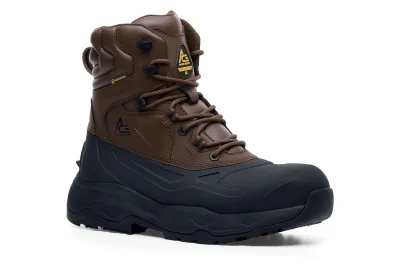
Light Insulation Work Boots: Unisex ACE Mammoth IV Composite Toe Boots
Not every winter job calls for heavy insulation. For mobile roles like delivery drivers, field technicians, or workers moving between indoor and outdoor environments, boots with light insulation (100g–200g) provide just enough warmth without overheating. The ACE Mammoth IV composite-toe boots are ideal for high-activity work in milder winter conditions with 200g of insulation.
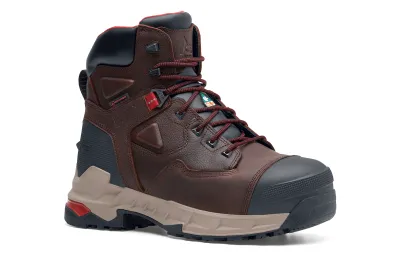
EH-Rated Insulated Boots: Men’s Redrock 4SG 6-Inch CSA Nano-Composite Toe Boots
For electricians, plant workers, or those in controlled environments, insulated work boots that have an Electrical Hazard (EH) rating offer extra protection around live cables and in dry environments. Most of our work boots are EH rated, but we recommend this pair if you also need insulation. They pair EH safety with waterproofing, a durable build, and 800g of insulation for a warm, safe boot you can trust on the job.
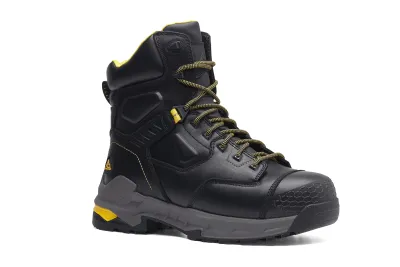
All‑Purpose Winter Work Boots: Men's Redrock 8-Inch Composite-Toe Boots
If your work takes you between indoor and outdoor tasks in cool to cold weather, an all-purpose insulated boot with 200g–400g insulation is your best bet. The Redrock 8-inch composite-toe boots provide 400g of insulation, comfort, and water-resistant protection without going overboard on weight or stiffness.
Do Insulated Boots Work Year-Round?
Insulated boots are great for wet, cool, or unpredictable weather, even in spring or fall. But in hot, dry conditions or indoors, they can trap heat and cause discomfort. For summer or warm-weather jobs, switch to breathable work boots with lighter construction and moisture control.
If you're lucky enough to work through winter in the South, check out our 2025 top 10 summer work shoes.
Checklist: How to Choose the Right Insulated Work Boot
- Match the insulation to your climate: 200g for mild to moderate cold, 400g– 800g+ for harsh winter or long exposure.
- Make waterproofing a priority: Especially if you're in snow, slush, or rain—waterproof insulated work boots help keep your feet dry.
- Consider toe protection needs: Steel for heavy impact, composite for lighter, non-conductive safety.
- Think about fit and comfort: Room for socks and cushioned insoles, because long-term comfort matters.
- Buy for your job, not just the season: The best boot is the one that holds up to your work and keeps you focused, not freezing.
Built for the Cold, Ready for Work
Insulated work boots are essential tools for protection, comfort, and performance in cold environments. From job site demands to weather unpredictability, the right pair helps you stay warm, focused, and safe on your feet.
Choose a pair based on your conditions, your job, and your comfort. Whether you're out in the cold all day or just need a little extra warmth, there are insulated work boots for winter ready for what you do.
FAQs
Q1: What's better—200g or 400g insulation?
200g is great for movement and milder cold weather. 400g or more is better for long exposure or freezing temps.
Q2: Do work boots with insulation need to be waterproof?
We highly recommend it. Without waterproofing, insulation loses effectiveness quickly. Wet boots = cold feet.
Q3: What's the best safety toe for winter—steel or composite?
Composite toes are lighter and don't conduct cold, making them more comfortable in winter. Steel toes offer maximum protection but may feel colder.
Q4: Can I wear insulated work boots indoors?
If it's cold or the building isn't climate-controlled, yes. But for heated spaces or long indoor shifts, you may want a lighter, more breathable option.
Q5: Are insulated work boots too hot in the summer?
Often, yes—especially in hot, dry climates or climate-controlled indoor settings. Swap to breathable summer styles to avoid overheating.
Q6: What are the best insulated work boots?
The best insulated work boots balance the right insulation weight (200g-800g+), dependable waterproofing, and a fit that suits your job and feet. For wet worksites, insulated waterproof work boots are a top choice; for extreme cold, look for 600g+ options; for mixed tasks, 200g-400g is usually ideal.
Employees and Your Bottom line.
Don't Forget To Share This Post!

Top 10 Loading Dock Safety Tips
Loading dock areas are notorious for their numerous safety hazards. Sidestep risk to your workers by following these 10 loading dock safety tips.

Keep Safe While Working In a Metal Shop
Being aware of the common injuries associated with working in a metal or machine shop is critical. Here are the most common hazards and safety tips.

Think About Safety In The Wood Shop
Whether you're a manager, craftsman or new employee, here are 4 important and unexpected hazards to safety in the wood shop, regardless of size.